Early Childhood Education: Benefits of Preschool (Pre-K)
Published on
February 3, 2026
Author
Samia Haddad
Project Writer | Formerly a dedicated volleyball player during her university years, Samia seamlessly integrated holistic approaches into her lifestyle to maintain peak physical and mental health. Her disciplined mindset, honed on the varsity court, persisted beyond graduation, driving her passion for research into the intricate connections between the body and mind. Now, as a writer for ThinkHealth and Wellness, Samia shares her personal journey and well-honed routines, offering valuable insights into holistic well-being. Through her unique experiences and commitment to a healthy lifestyle, Samia contributes to the platform's mission of providing comprehensive and inspiring content for individuals seeking natural health alternatives.
Can music and movement help fine motor skills?
Yes—finger plays, clapping games, and dance routines that use hand gestures all help. Combine rhythm and repetition for deeper learning.
How can educators encourage home practice?
Send home simple activity ideas, kits, or worksheets. Offer short instructions and encourage family involvement. Regular practice builds lasting progress.
What crafts are best for fine motor practice?
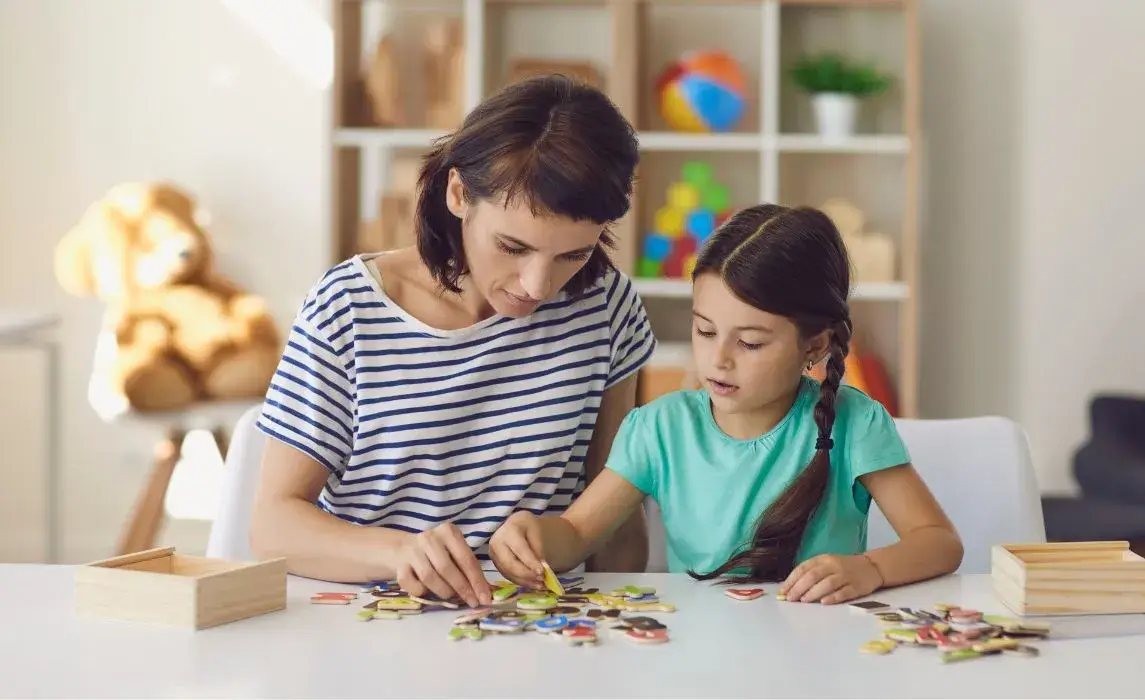
Try origami, sticker scenes, stringing pasta, or painting with Q-tips. Crafts that use small pieces build precision and control.
You’ve probably heard people say “kids are little sponges,” right? Well, it’s true. By age 5, their brains are about 90% developed. Those early experiences, how they play, talk, and explore, shape how they think and feel later on.
Preschool program makes the most of that golden window. It builds brain connections through stories, play, and social interactions. So while it might look like “just playing,” your child is actually learning how to share, how to focus, how to problem-solve, and how to be a kind human.
What Exactly Is Preschool Education?
Preschool is an early learning program designed for children roughly ages 3 to 5. It’s more structured than daycare but still play-based, focusing on social and emotional growth and early academic skills like counting, letter recognition, and problem-solving.
There are a few main types of preschool programs you might come across:
Center-based programs – These are often run in community centers, churches, or independent facilities. They follow a curriculum, have licensed teachers, and offer a blend of play and guided activities.
School-based programs – Usually attached to an elementary school or public district. These programs help children transition smoothly into kindergarten by aligning preschool goals with early grade standards.
Community or government-supported programs – Options like Head Start, Universal Pre-K (UPK), or local non-profit programs focus on accessibility, especially for low-income families.
No matter the model, quality preschools share common elements: trained staff, small group sizes, safe environments, structured routines, engaging play centers, and family partnerships that keep parents involved.
Why Early Years Matter So Much
The early years are a time of explosive brain development. By age 5, a child’s brain is about 90% developed. Preschool takes advantage of that critical stage by creating a setting rich in language, exploration, and relationships.
These experiences build the foundation for skills that influence everything from how children learn to how they handle emotions. Preschool isn’t just about ABCs and 123s; it’s about nurturing curiosity, self-control, empathy, and confidence.
10 Benefits of Preschool (Pre-K) Education Program
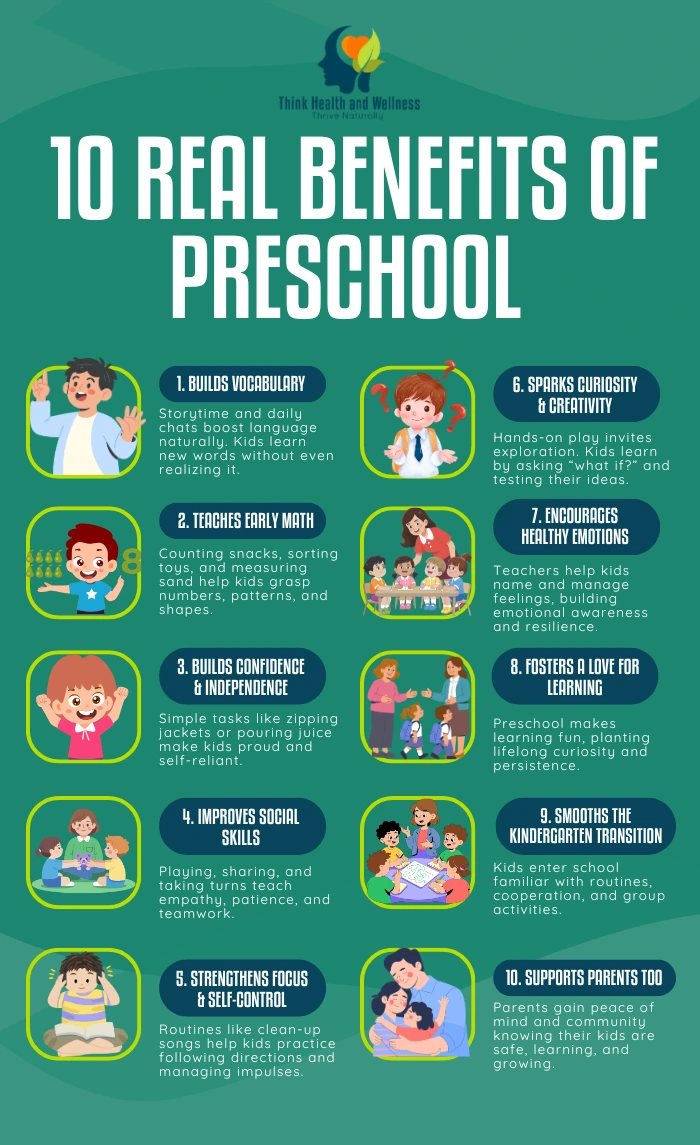
1. Preschool builds your child’s vocabulary without them even realizing it.
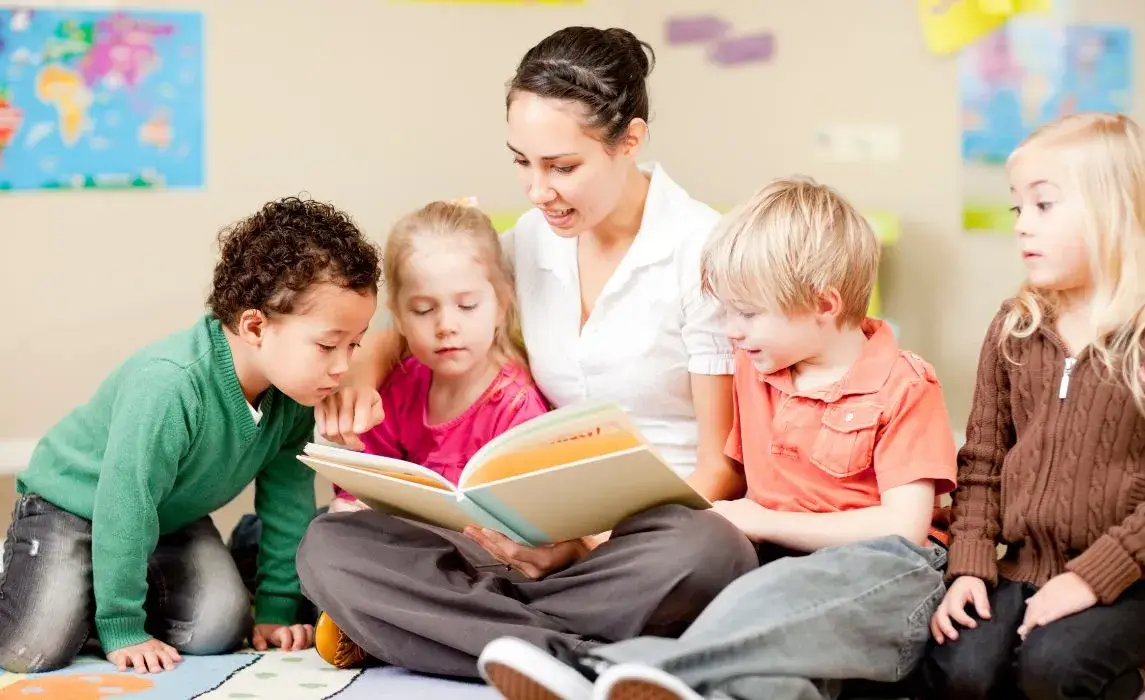
Every storytime, chat at the play kitchen, or morning circle adds new words to your child’s growing “word bank.” When a teacher reads The Very Hungry Caterpillar, kids don’t just learn about butterflies, they pick up descriptive words like “tiny,” “enormous,” and “beautiful.” Those daily moments of conversation and storytelling spark language growth far beyond what most kids get at home.
2. It kickstarts early math skills in everyday ways.
Forget flashcards. Counting snacks, matching socks, or pouring sand into cups are the math lessons that stick. Teachers naturally weave in number sense and pattern recognition (“Let’s see how many blocks tall your tower is!”). By the time kids start kindergarten, they already know that numbers, shapes, and measurements are part of everyday life.
3. It boosts confidence and independence.
Preschoolers beam with pride when they zip their own jackets, pour their own juice, or remember where their backpack goes. These little wins add up to a big sense of “I can do it!” Preschool gently gives kids chances to make choices, solve small problems, and trust themselves. A huge step before entering the bigger school world.
4. It helps kids learn to play well with others (and that’s a skill for life).
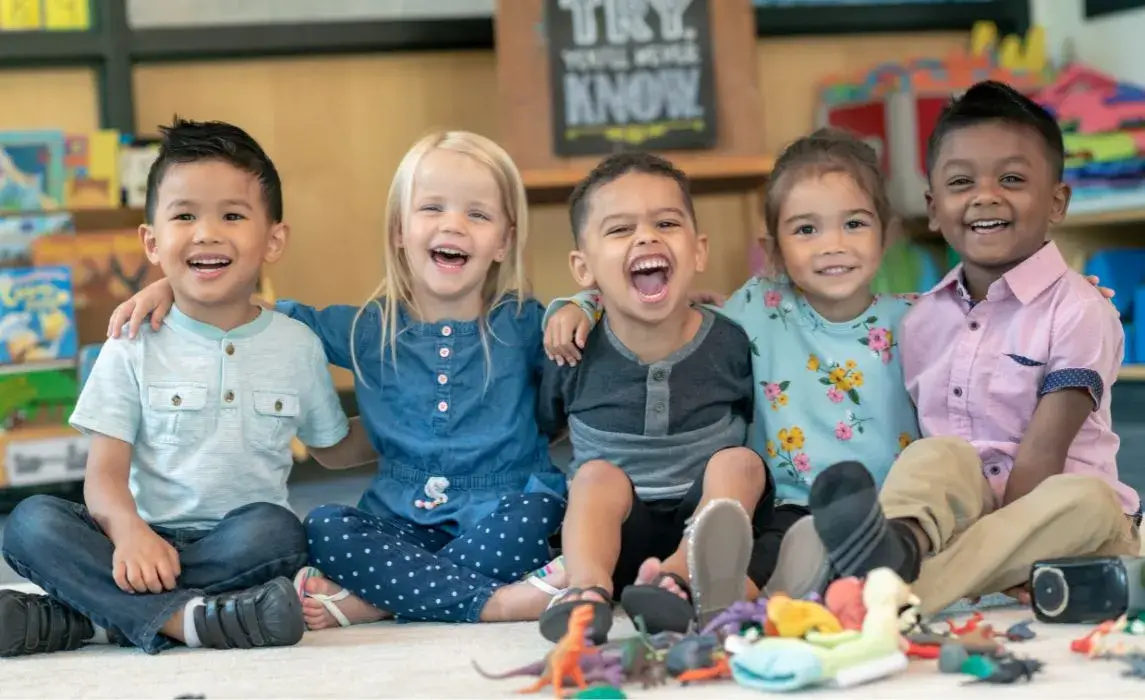
Sharing blocks, taking turns on the slide, and resolving who gets the red crayon, all of it teaches social problem-solving. Preschool is often a child’s first real experience with a group outside the family. They start learning empathy, patience, and teamwork (and yes, sometimes through a few tears and teacher hugs).
5. It strengthens focus and self-control through play-based learning
When kids follow a routine, like singing a clean-up song before moving to storytime, they’re learning to shift gears and manage impulses. These daily structures help build self-regulation and attention span. It’s not about “sitting still”, it’s about practicing how to pause, listen, and transition calmly from one thing to another.
6. It fuels curiosity and creativity.
Preschool classrooms are designed for exploration, paint tables, magnifying glasses, water bins, and building blocks. When a teacher asks, “What do you think will happen if we mix red and blue?” or “How can we make the tower taller?” kids learn that their ideas matter. That sense of curiosity is the heart of future problem-solving.
7. It encourages healthy emotional expression.
Preschool teachers help children name and manage their feelings: “You look upset, are you frustrated that it’s cleanup time?” This helps kids build emotional vocabulary and resilience. Over time, they start saying “I feel mad” instead of melting down, an incredible skill that will serve them for years.
8. It nurtures a love for learning early on.
Preschoolers don’t think they’re “learning”, they think they’re having fun. But every pretend play, song, and story builds the foundation for curiosity and persistence. When school feels joyful from the start, kids grow up seeing learning as something exciting, not stressful.
9. It helps kids adapt better to kindergarten (and beyond).
Children who’ve been to preschool walk into kindergarten already familiar with routines, sharing, and group activities. They know what a “circle time” is, how to raise a hand, and how to work with others. That confidence helps them adjust faster, so they can focus on learning instead of feeling lost or shy.
10. It gives parents peace of mind (and a supportive community).
Let’s be honest, preschool benefits parents, too. You get a trusted place where your child is safe, learning, and thriving while you work or catch your breath. Plus, you meet other parents who are going through the same ups and downs. Instant community built right into drop-off and pick-up.
Who Benefits the Most from Preschool?
Every child gains something from preschool, but research shows that the effects are especially strong for low-income, at-risk, and dual-language learners.
Children from disadvantaged backgrounds often start school behind their peers in vocabulary and social readiness. Quality preschool helps close that gap by offering consistent structure, exposure to rich language, and supportive teachers who understand diverse needs.
Inclusive and diverse classrooms also benefit all children. When kids interact with peers from different backgrounds or abilities, they learn acceptance, patience, and cultural awareness, skills that shape them into empathetic citizens later on.
The Long-Term Benefits: Beyond Kindergarten
Parents sometimes wonder if the benefits of preschool fade out once kids enter elementary school. The short answer? Not really.
While some academic advantages may level out over time (a phenomenon called “fade-out”), research shows that the social and emotional skills (including behavioral) gained in preschool continue to make a difference. Children who attended preschool:
Have better attendance and fewer behavior issues.
Perform stronger in reading and math in early grades.
More likely to graduate from high school on time.
Attend college or vocational programs.
Participate in civic life and volunteer as adults.
The key to maintaining those gains is K–3 alignment, meaning elementary schools should build on what children learned in preschool instead of starting over. For example, kindergarten teachers can continue using play-based centers, visual schedules, and small-group instruction to reinforce those early foundations.
What to Look For in a Preschool?
Not all preschools are created equal. The best ones don’t just fill time with worksheets or free play; they find the sweet spot between child-led discovery and teacher-guided learning.
Here’s what to look for in a high quality preschool:
Warm, responsive teachers – Kids thrive when they feel seen and cared for. Watch how teachers talk to children. Do they listen, kneel to eye level, and offer encouragement?
Structured yet flexible routines – Predictability helps kids feel safe, but flexibility allows for exploration.
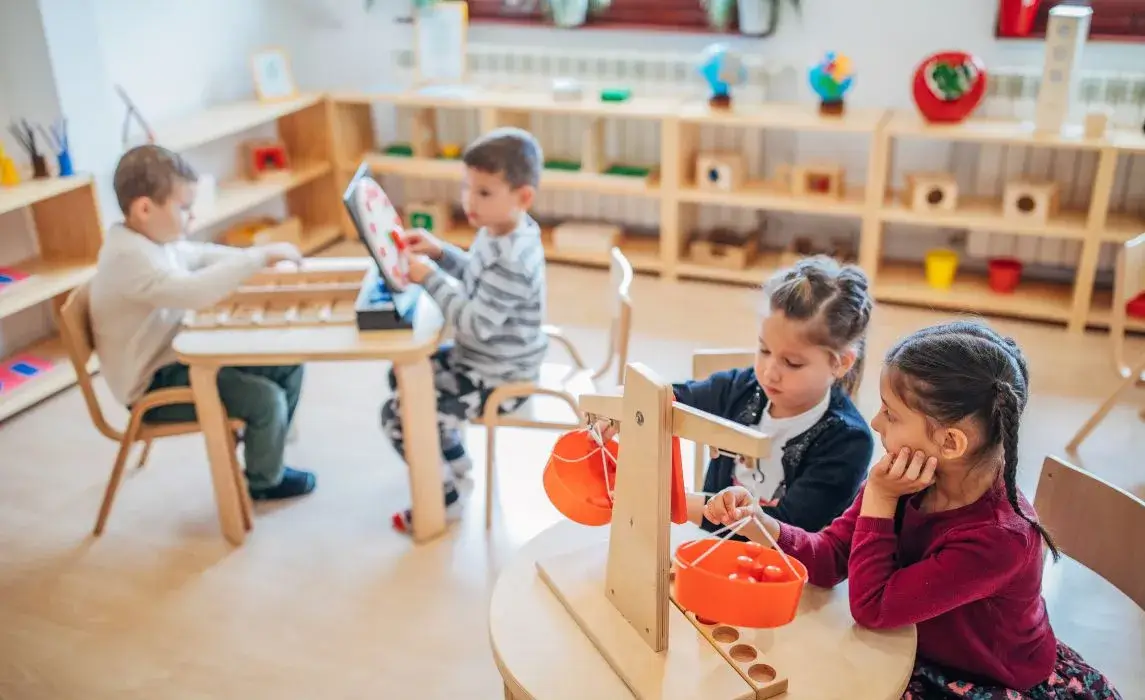
Play-based learning – Look for hands-on centers like art corners, building blocks, pretend kitchens, and sensory tables.
Intentional instruction – Teachers weave in short, explicit lessons on letters, sounds, or counting but always in engaging, age-appropriate ways.
Family involvement – Quality programs value parent input, share progress updates, and invite families to participate.
Safety and licensing – The school should meet local regulations, have a clean environment, and maintain low child-to-teacher ratios.
A balanced classroom might start with circle time (a guided group activity), move into learning centers where children choose activities, and end with a teacher-led small group to reinforce a concept.
That mix ensures children are both independent explorers and active learners.
How to Choose the Right Preschool for Your Child
Finding the right preschool can feel like a big decision but it doesn’t have to be stressful. Here’s a simple approach:
Start with your family’s priorities. Think about what matters most to you like location, hours, diversity, teaching philosophy, or cost.
Visit and observe. The best way to judge a program is to see it in action. Watch how teachers interact with kids. Do the children seem happy, curious, and engaged?
Ask good questions. What’s your approach to discipline and conflict resolution?How do you handle transitions and routines?How do teachers communicate with families?What’s your teacher-to-child ratio?
Look for consistent communication. Programs that share updates, newsletters, or photos help parents stay involved and reinforce learning at home.
Trust your instincts. Sometimes the right preschool “feels” right. If you sense warmth, respect, and joy in the environment, that’s a good sign.
Access and Cost: What Parents Should Know
Preschool tuition can vary widely, depending on whether it’s private, public, or community-based. But there are more affordable options than many parents realize.
Head Start: A federally funded program offering free preschool for low-income families. It focuses on education, nutrition, and family support.
State Pre-K / Universal Pre-K: Some states and cities offer free or low-cost pre-K programs for 3- and 4-year-olds, regardless of income.
Sliding scale programs: Many community centers or faith-based schools adjust tuition based on family income.
Child care subsidies: Some local governments provide financial aid or vouchers for early education programs.
If you’re unsure what’s available, start by contacting your local school district or community child care resource office. Even if you think you won’t qualify for aid, it’s worth asking—many families are surprised by what’s accessible.
The Big Picture: Preschool Is a Lifelong Investment
The preschool years go by fast, but their impact lasts a lifetime. The friendships, confidence, and curiosity children develop during these early years shape how they view learning and themselves.
High-quality preschool gives kids a head start not just academically, but socially and emotionally. It prepares them to handle challenges, make thoughtful choices, and enjoy learning for years to come.
So whether you choose a public pre-K, a community-based program, or a local preschool with a strong reputation, what matters most is that your child is surrounded by warmth, play, and opportunity to grow.
Because when we invest in our children’s early years, we’re not just preparing them for kindergarten, we’re preparing them for life.