Project Writer | Formerly a dedicated volleyball player during her university years, Samia seamlessly integrated holistic approaches into her lifestyle to maintain peak physical and mental health. Her disciplined mindset, honed on the varsity court, persisted beyond graduation, driving her passion for research into the intricate connections between the body and mind. Now, as a writer for ThinkHealth and Wellness, Samia shares her personal journey and well-honed routines, offering valuable insights into holistic well-being. Through her unique experiences and commitment to a healthy lifestyle, Samia contributes to the platform's mission of providing comprehensive and inspiring content for individuals seeking natural health alternatives.
Can music and movement help fine motor skills?
Yes—finger plays, clapping games, and dance routines that use hand gestures all help. Combine rhythm and repetition for deeper learning.
How can educators encourage home practice?
Send home simple activity ideas, kits, or worksheets. Offer short instructions and encourage family involvement. Regular practice builds lasting progress.
What crafts are best for fine motor practice?
Try origami, sticker scenes, stringing pasta, or painting with Q-tips. Crafts that use small pieces build precision and control.
Parents push hard for good grades. They track test scores and praise school awards. But a classroom does not teach a child how to live. True survival skills start at home, far from books and desks. Knowing how to cook a meal, wash a shirt, or balance a budget matters as much as reading history. Small, daily chores build a strong foundation. When a child sets the table or sweeps the floor, they learn duty. These small acts hold massive, long-term value. We must teach this work early to teach kids life skills. It’s essential to recognize that every life skill matters.
Parents should not worry if a child spills milk or drops a plate. The goal is never a perfect job. We do not ask a child to work with the flawless skill of an adult. We only want them to learn to stand on their own two feet, equipping them with essential life skills for kids. Steady, patient practice makes them capable. It makes them bold. The simple work they do today builds the exact tools they need to face a hard and unknown tomorrow, ensuring these are skills for kids to learn early. We call these “life skills” because they sustain us.
Why You Must Teach Kids Important Life Habits
First, we must know what a life skill is. It is the hard work of daily living. It means handling money, dealing with people, keeping a calm mind, and fixing what is broken. Books and grades do not make a complete adult. Real work builds a tough, enduring character. Teaching these habits early changes a child, proving it is a truly valuable life lesson. They grow bold and learn to stand alone. They make sharp choices and bear their own weight. When a child shares the work of a house, they see they matter to the family. Every parent wants their child to succeed, and one of the best ways is to teach your kids resilience. True skills arm a child against the sudden blows of a hard world. They learn to step out and survive on their own. We must start early, and we must not stop giving them the opportunity to teach themselves through practice. We want our kids to be completely prepared to get kids ready for the real world.
The Ultimate Training Ground
Why is the home the best place to learn? A house is where a child watches and repeats. They learn by doing the daily work of the family. A school has strict rules and sharp tests. But a home is safe. A child can fail here without fear. If they spill the soup or fold a shirt wrong, the cost is small. They learn best where there is no harsh judgment. They learn when they know they are loved and secure.
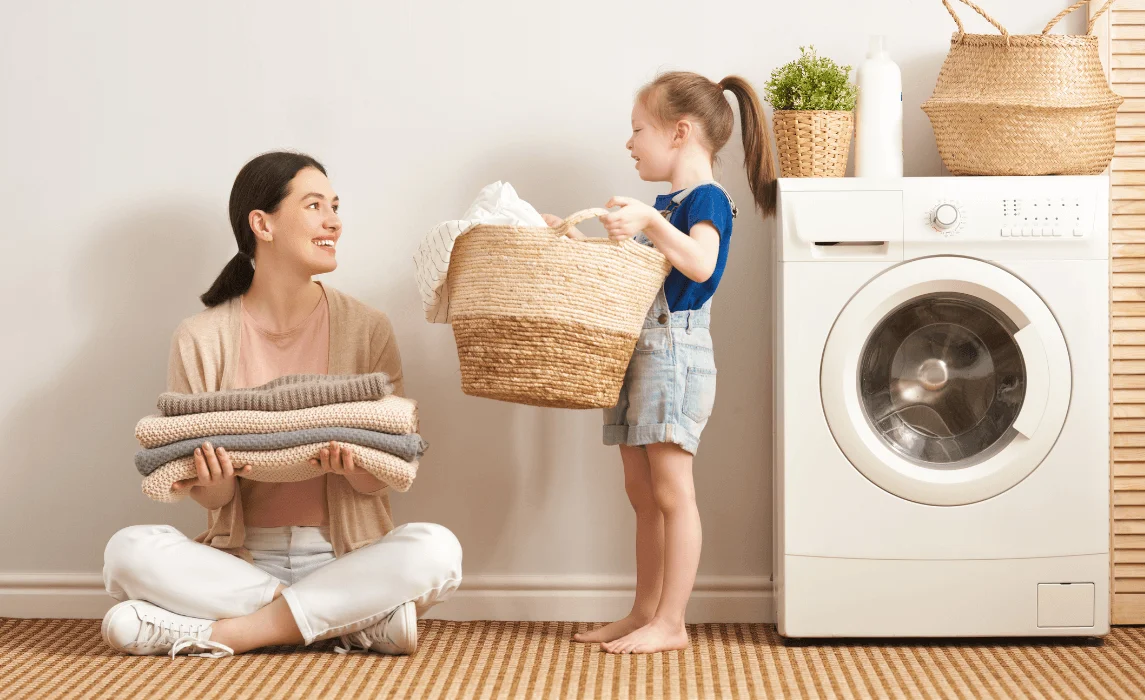
Parents must see the house as a proving ground. Every single chore is a chance to teach. Washing the dishes or making a bed shows them how to live. When parents hand over the broom or the sponge, they give the child a clear purpose. The child learns they matter to the running of the house. They see they are a vital part of a team. This simple, daily work trains them to carry their own weight in the real world.
Age-Appropriate Life Skills to Teach Early
We must fit the work to the age of the child. Every boy and girl needs tasks matched to their own strength and mind. This careful guidance builds a clear path to success.
For a very young child, the work must be simple and safe. A parent must stand near and watch. The child can put away their toys. They can pull on a clean shirt. They can wash the dirt from their hands. Learning to brush their own teeth is a great victory. It teaches them to care for themselves. Simple work makes a young child feel strong and useful.
As the child grows, the work grows. The new tasks build on the old. An older child can prepare a simple snack. They can set the plates and forks on the table for supper. They can arrange their own room. These small jobs build their pride and confidence. A parent can show them how to keep their things in order. A clean room builds a clear and steady mind.
Basic Life Skills for Older Children and Preteens
Older children are ready for harder work. They can take on tasks with many steps. They must wash, dry, and fold their own clothes. They should learn to cook, count a simple budget, and buy food at the market. They must learn to watch the clock. If you want them to cook, start small. Let them build a sandwich or boil a pot of water for pasta while you stand close. Show them how to save money for the things they desire. This good work prepares them to walk alone.
Preteens stand on the edge of adulthood. They need a heavier load to grow strong. They must cook a full supper from start to finish. They must know how to clean a wound and tie a bandage. They should take on the hard chores of the house and manage their own money. They must learn to walk safely in the digital world and answer for their own actions. Give them real challenges now. It is the only way to prepare them for the harsh realities of life. Before they grow any older, they must know how to handle a sudden emergency. They must know how to look people in the eye and speak with steady respect.
Teaching a Child Naturally Without Overwhelm
There are many practical ways parents can teach life skills naturally by involving children in daily household activities instead of creating rigid, formal lessons. You must highly encourage modeling positive behaviors. Explain tasks step by step patiently. Allow children to practice independently, and gradually increase their responsibility as their confidence grows. Great ideas on how to teach include inviting them to shadow you during your daily errands.
Use these mundane moments to intentionally teach young kids. There is absolutely no need for a whiteboard or a formal lecture; just let your kids participate naturally in your day. Dedicate a little time every day to focus exclusively on these practical life skills. Over time, these brief moments compound into a robust set of life skills for children to rely upon permanently. Taking the time to teach in real-time is an invaluable investment in their future.
Everyday Household Duties and Kitchen Skills
Discussing the importance of teaching everyday household skills is paramount for domestic success. Activities such as deep cleaning, cooking, doing laundry, organizing spaces, gardening, and basic home care form the backbone of a functional, independent life. Expanding to outdoor tasks like safely mowing the lawn can also be highly beneficial for physical endurance and responsibility.
Emphasize strongly that mistakes are a perfectly normal part of learning. If they accidentally ruin a batch of cookies, it is simply a chance to learn a new method, not a reason to scold them. Everyday chores around the house teach long-lasting accountability. Practical skills learned through daily maintenance ensure your child is remarkably self-reliant. If you help your child master these, you set them up for a lifetime of unshakeable capability. Ensure you provide the right tips and tools to make the job accessible and safe.
Safety and Personal Responsibility
Highlighting essential safety and personal responsibility skills is a non-negotiable aspect of parenting. This vital category covers basic first aid, rigorous personal hygiene, strict internet safety, and comprehensive emergency preparedness. It is absolutely vital to ensure your child knows their personal information, such as their full name, home address, and parents' emergency phone numbers.
They must be able to instantly recognize safe versus highly unsafe situations. These specific skills are essential for their physical safety and mental well-being. Knowing exactly what to do in a sudden crisis is a truly valuable life asset. While they might not need to know how to change a tire at age ten, understanding the basics of road safety and vehicle awareness is important. Make life skills about safety a regular, open topic of conversation to help prepare them for the unexpected.
Help Your Child Budget
Covering financial life skills requires explicitly introducing simple concepts early on in their development. Topics such as consistently saving, spending wisely, balancing a budget, distinguishing deep needs from fleeting wants, and making thoughtful purchasing decisions using age-appropriate examples are critical. Explain the importance of money management clearly.
Allow them to manage a small weekly allowance or a mock budget to grasp the true value of a dollar. Teaching a child how to allocate their limited funds empowers them. When they actively practice saving for something they want, they understand the sweet reward of delayed gratification. Money management is without a doubt one of the most critical basic life skills you can impart to the next generation. Strong financial literacy gives them the ultimate power to make informed, wise choices later in life.
Do Not Forget Essential Soft Skills
Daily work builds the inner life. Knowing how to speak clearly, feel for others, and keep a calm head matters just as much as learning a trade. A quiet mind and a tough spirit are essential to survive.
When brothers and sisters share a heavy chore, they must talk. They learn to pull the weight together. When a job fails, they learn to take the blow and stand back up. Leave a child alone with a hard problem. Do not rush in to fix it. Let them look at it and figure it out on their own. This sharpens the mind. Physical labor naturally forms these unseen strengths. When a child hits a wall, they will feel anger and defeat. We must help them face those raw feelings without breaking. A child who works hard with both their hands and their mind grows strong and whole.
Common Parenting Mistakes to Avoid
Address common parenting mistakes that severely hinder a child's natural development. Doing absolutely everything for children is a primary offender; it deprives them entirely of the chance to learn and grow. Expecting absolute perfection too early causes unnecessary, paralyzing stress and anxiety. Assigning entirely age-inappropriate responsibilities can overwhelm a child and lead to early burnout. Focusing solely on completing chores instead of teaching practical independence misses the bigger developmental picture.
Chores are not just free labor; they are vital life skills to teach. It is incredibly vital to find a healthy balance. Do not ever let your strong desire for a perfectly clean house override your child's fundamental need to learn through trial and error. Avoid these common pitfalls to ensure you provide a positive, highly constructive environment for their continuous growth.
Make Life Skills Part of Daily Routines
Reinforce repeatedly that teaching life skills should become a seamless part of everyday family life through incredibly consistent routines, endless patience, warm encouragement, and allowing children to learn equally from both their successes and their mistakes. Make it a daily habit. A child can learn best when your expectations are crystal clear and highly consistent.
Encourage your child constantly throughout the day. Always praise their sincere effort over the final, polished outcome. Supreme consistency helps them deeply internalize the lessons you impart. These basic skills become effortless second nature when practiced daily over years. Let your child know unequivocally that their specific contributions matter significantly to the household. By integrating these life lessons seamlessly, you create an enriching atmosphere where learning is an ongoing, beautifully natural process.
Provide practical ideas families can easily start using immediately without much prep. Start today by intentionally involving children in nightly meal preparation and weekly grocery shopping trips. Allow them to proactively assist with sorting, washing, and folding the laundry. Include them in transparent, age-appropriate budgeting discussions before family vacations. Give them the sole responsibility of thoroughly organizing their own bedrooms weekly.
Let them joyfully participate in feeding and caring for family pets. Encourage them to actively help in planning fun family activities and making simple household decisions together as a team. These are truly great ideas that require little to no extra planning on your part. Simply invite them warmly into your daily world. As you do, you actively ensure your child absorbs the true essence of lifelong independence.
Why is it important to teach kids life skills at home?
It is important because the home provides a uniquely safe, endlessly supportive environment where children can practice new tasks without fear of severe, real-world consequences. Teaching practical life skills at home allows for highly personalized guidance and necessary repetition, which is the absolute key to true mastery. Kids need this safe harbor to experiment.
At what age should children start learning life skills?
Children should start incredibly early. Early childhood is the ideal time because toddlers are naturally curious and overwhelmingly eager to help their parents. You can begin with very basic, simple tasks for a preschooler and gradually, steadily introduce more complex duties as they grow older and physically stronger.
What are the most important life skills every child should learn?
The most critical ones include meticulous personal hygiene, basic cooking and nutrition, robust financial literacy, keen safety awareness, effective time management, and stable emotional regulation. These fundamental pillars form the necessary foundation for a highly successful, completely independent adult life.
How can I teach life skills without overwhelming my child?
Always introduce just one new skill at a time and carefully break it down into tiny, highly manageable steps. Ensure the given tasks are strictly age-appropriate and provide plenty of enthusiastic verbal praise. Never demand flawless perfection; instead, celebrate their genuine effort and steady progress. If you want your child to thrive, patience is key.
Should chores be considered life skills?
Yes, absolutely. Mundane chores are the direct, practical application of maintaining a functional household. They inherently teach deep responsibility, cooperative teamwork, and the sheer physical effort required to keep a shared living space functional, sanitary, and pleasant for everyone involved.
How do I motivate my child to learn household responsibilities?
Motivate them effectively by making tasks genuinely enjoyable, perhaps by playing upbeat music or turning a boring cleanup session into a competitive game. Explicitly explain why their specific help is immensely valuable to the entire family. Offer them choices so they feel a strong sense of personal autonomy in their daily duties.
What life skills should children know before becoming teenagers?
Right before entering adolescence, children should intimately know basic first aid, exactly how to prepare a simple, healthy meal, how to strictly manage a small monetary budget, thorough internet safety protocols, and how to completely independently manage their personal hygiene and daily school schedule. They must be ready to learn more complex themes.
How do I teach financial responsibility to young children?
Start simply by using clear, transparent jars visibly labeled "save," "spend," and "share." When grocery shopping, actively discuss the stark difference between true needs and fleeting wants. Encourage them to patiently save up their own money for a desired toy, which beautifully teaches immense patience and the true, hard-earned value of a dollar. Make sure your child fully grasps this before high school.