How To Teach Kids Impulse Control: Activities and Strategies for Your Child’s Impulse Control
Published on
June 23, 2026
Author
Samia Haddad
Project Writer | Formerly a dedicated volleyball player during her university years, Samia seamlessly integrated holistic approaches into her lifestyle to maintain peak physical and mental health. Her disciplined mindset, honed on the varsity court, persisted beyond graduation, driving her passion for research into the intricate connections between the body and mind. Now, as a writer for ThinkHealth and Wellness, Samia shares her personal journey and well-honed routines, offering valuable insights into holistic well-being. Through her unique experiences and commitment to a healthy lifestyle, Samia contributes to the platform's mission of providing comprehensive and inspiring content for individuals seeking natural health alternatives.
Can music and movement help fine motor skills?
Yes—finger plays, clapping games, and dance routines that use hand gestures all help. Combine rhythm and repetition for deeper learning.
How can educators encourage home practice?
Send home simple activity ideas, kits, or worksheets. Offer short instructions and encourage family involvement. Regular practice builds lasting progress.
What crafts are best for fine motor practice?
Try origami, sticker scenes, stringing pasta, or painting with Q-tips. Crafts that use small pieces build precision and control.
Children blurt out answers in class. They snatch toys from their brothers. They drop to the floor and cry when told to wait. Every parent has seen this. Every teacher knows the sound. These moments frustrate adults. Patience wears thin. Good days turn to chaos.
You ask why they act this way. The answer is simple. Children are not born with self-control. They do not know how to pause. They do not know how to filter a sudden urge. They feel a desire, and they act on it. Stopping to look at a situation takes work. It is a hard job for a young mind.
Self-control builds over time. It grows as the physical brain grows. The paths in their minds are new. They must be built from the ground up. They must be used again and again. This change does not happen in a single day. It takes years. But the right practice makes the paths strong.
Do not sit back. Do not wait for them to simply get older. You must step in. Parents and teachers must guide the way. Play games that force them to stop and think. Build steady routines. Set clear rules. Keep the rules the same every single day. Show them how to build their own filters.
Teach this skill today. Do the hard work now. Give them the tools they need. They will learn to master their sudden emotions. They will stand steady. They will steer their own lives.
Understanding Impulsive Behavior and Child Development
At its most fundamental level, impulse control is the ability to pause, think, and then act. It is the internal braking system that prevents us from doing or saying the very first thing that pops into our heads. When a kid experiences a desire, a frustration, or a sudden urge, this system buys them the critical milliseconds needed to consider the consequences of their actions.
When a kid acts impulsively, or acts without thinking, it is rarely out of malice. More often than not, it is simply a matter of biology. The prefrontal cortex, a specific part of the brain responsible for complex decision-making, planning, and managing emotions, is one of the last brain regions to fully mature. Because this part of the brain is still under construction, a toddler or even a 4 years old will frequently act impulsively. They literally lack the structural maturity to stop and think before acting. Thus, a lack of impulse control is a very normal part of early child development. As children develop, their ability to contro (a shorthand for control) their sudden urges naturally improves, but they still need guidance to learn impulse control properly.
Developing Impulse Control
To truly help children thrive, it is essential to understand the underlying cognitive machinery that drives their behavior. Impulse control does not exist in a vacuum; it is a core component of a broader cognitive skillset known as executive function. Executive function acts as the brain’s air traffic control system, managing the flow of information and focusing attention.
This system relies heavily on working memory, mental flexibility, and impulse control. If a child cannot use impulse control, their working memory cannot retain instructions, and their mental flexibility cannot pivot when rules change. When you teach impulse control, you are actively strengthening the entire executive function network.
Emotional regulation is intimately tied to this process. When you want to foster emotional regulation, you must realize that without impulse control, every emotion immediately translates into a physical action. The ability to self-regulate allows them to manage their impulses rather than lashing out. Caregivers who want to help them learn to control their impulses must actively practice self-control exercises with them, ensuring they develop better self-control over time.
Executive Function and ADHD
Children thrive when they clearly understand expectations, but children struggle more than others depending on their neurological makeup. Kids with impulse control issues, particularly children with adhd (attention deficit hyperactivity disorder), often face structural and chemical differences in the prefrontal cortex. For kids with adhd, the internal "brakes" are either under-responsive or require much more effort to engage.
ADHD often manifests as severe impulsivity and poor impulse control. A lack of impulse control in these cases makes structured support, patience, and explicit skill-building absolutely critical. If a child with adhd is exhibiting impulsive behavior, they need specific impulse control strategies to help manage their impulses safely. It is vital to help improve their capacity to self-regulate, allowing them to develop better impulse control in a way that respects their neurodiversity. When children struggle, caregivers need to step in and offer accommodations that help kids navigate their world successfully.
Impulse Control Strategies
To develop self-control skills and help your child succeed, parents and teachers need actionable strategies for teaching impulse control. Here are effective ways to help a child learn to control their impulses, manage their emotions, and exhibit positive behavior:
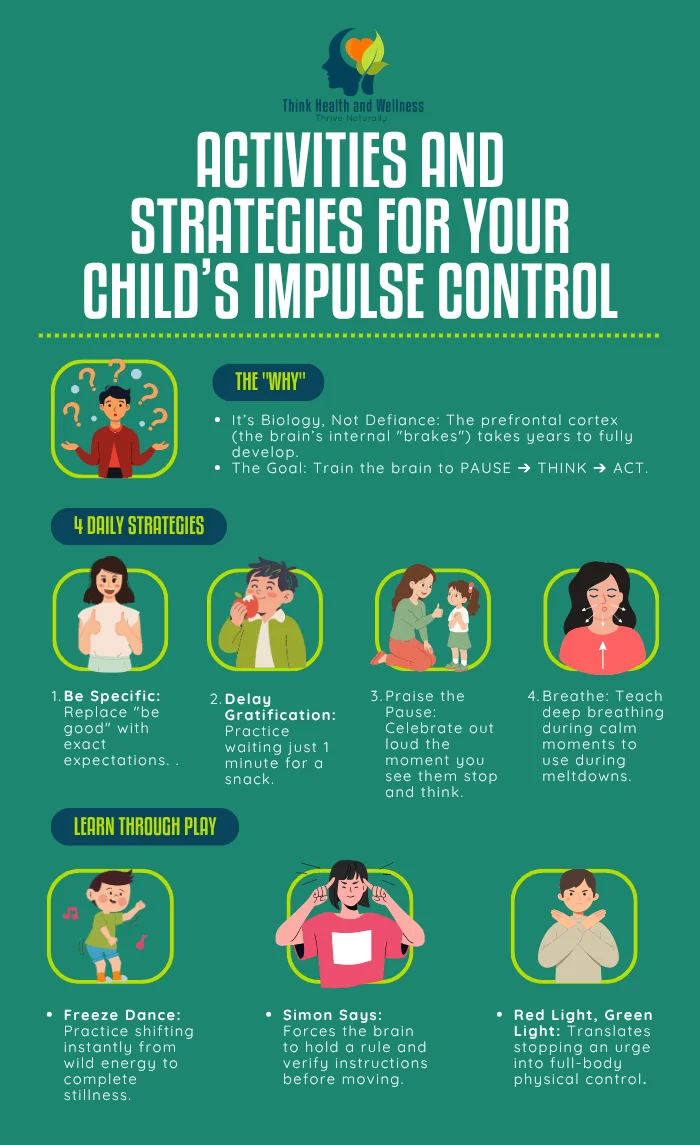
1. Set Clear Expectations
Vague instructions like "be good" do not work. To improve impulse control, tell them exactly what good behavior looks like. Predictability creates a sense of safety, which is the necessary foundation for regulation in the classroom and at home.
2. Use Positive Reinforcement
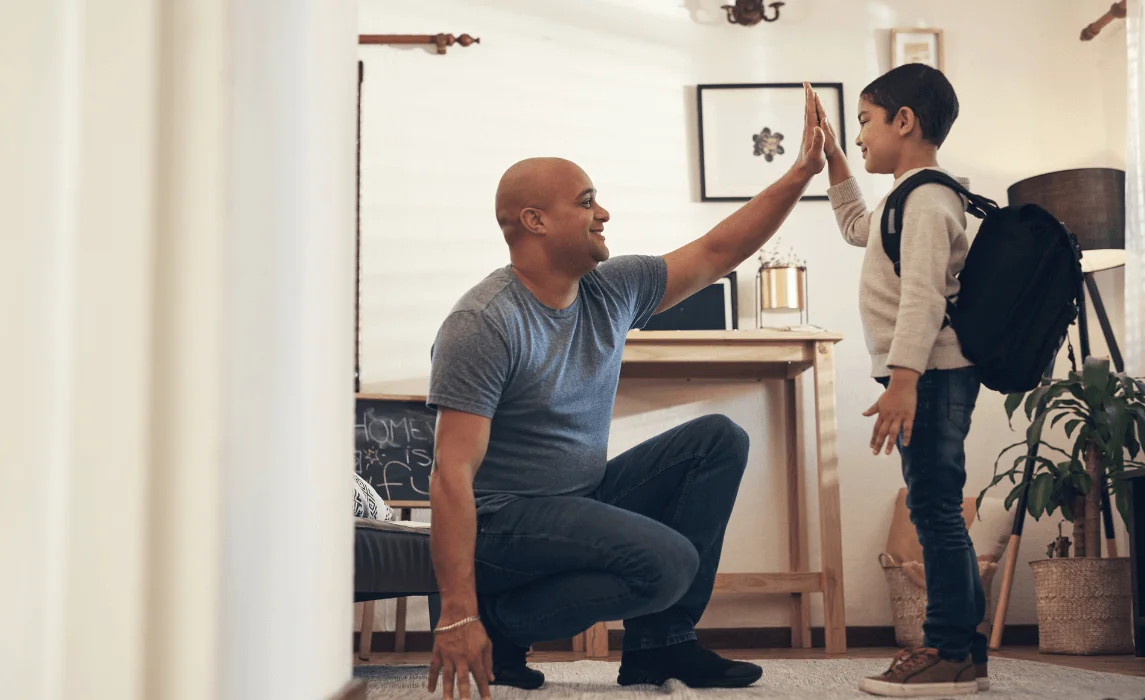
When you see a child use impulse control, praise them immediately. Positive reinforcement encourages them to think before acting the next time. Let them know you noticed their effort to stop and think.
3. Delay Gratification
Start small. Teach kids to wait just one minute before getting a snack. Over time, as children begin to develop this skill, their gratification delay muscle strengthens, and they learn impulse control more robustly.
4. Practice Deep Breathing
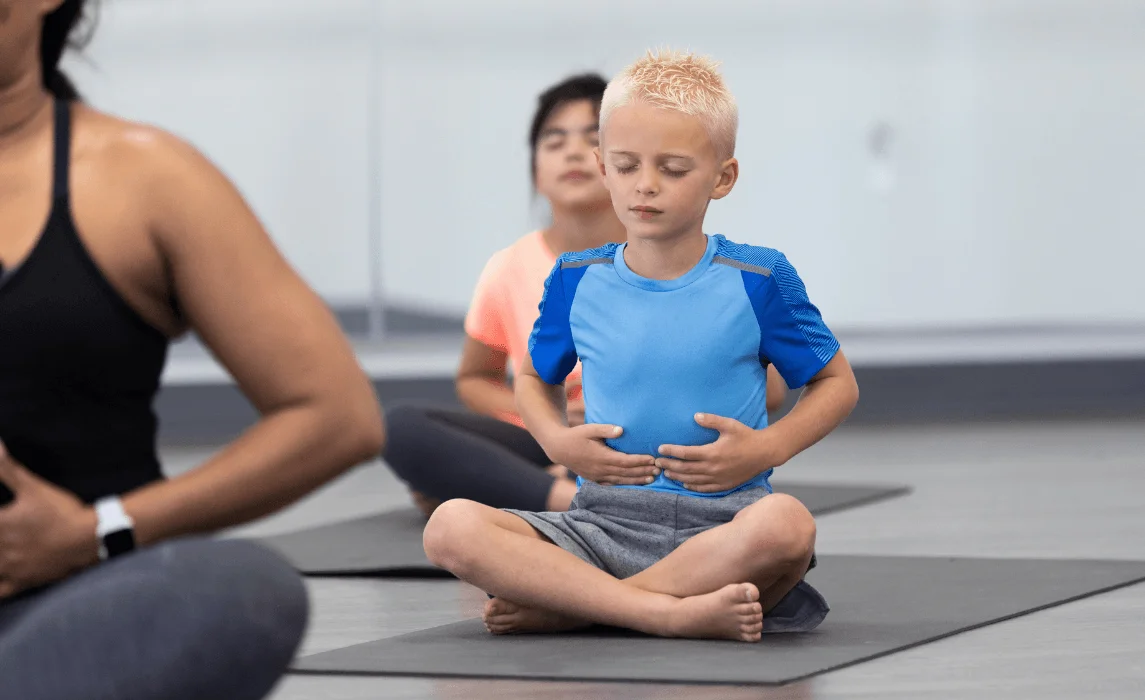
When emotional impulsive spikes occur, teach deep breathing to calm the nervous system. This is a vital tip to improve impulse control in children when they feel overwhelmed.
5. Role-playing
Act out scenarios where a kid might be tempted to act impulsively. Role-playing helps a child learn the right response before the actual stressful event happens. By providing these strategies, you are helping children develop better impulse control in real-world environments.
Impulse Control Activities for Kids
The absolute best way to build any cognitive ability in a child is through play. Play is the work of childhood, and it is the most natural vehicle for teaching complex psychological concepts. Incorporating targeted fun activities into your daily routine is a highly effective strategy to build the cognitive "brakes." Here is a curated list of fun impulse control activities designed to teach impulse control while keeping the kid engaged and happy. These are fantastic impulse control activities for kids:
Simon Says: This classic game is a masterclass in executive functioning. In simon says, a child must listen carefully, hold a rule in their working memory, and suppress the immediate urge to copy a movement if the leader does not say the magic words. It forces the brain to pause and verify instructions before acting.
Red Light, Green Light: This game requires children to stop their bodies instantly on command. When an adult yells “red light, they translate the abstract concept of stopping an urge into a highly physical, full-body experience. It fundamentally helps them learn to control their bodies.
Freeze Dance: Put on some energetic music and let the kids dance wildly. When the music suddenly stops, they must play “freeze dance and lock into whatever position they are in. This teaches the body how to transition quickly from a state of high arousal and impulsive movement to complete stillness.
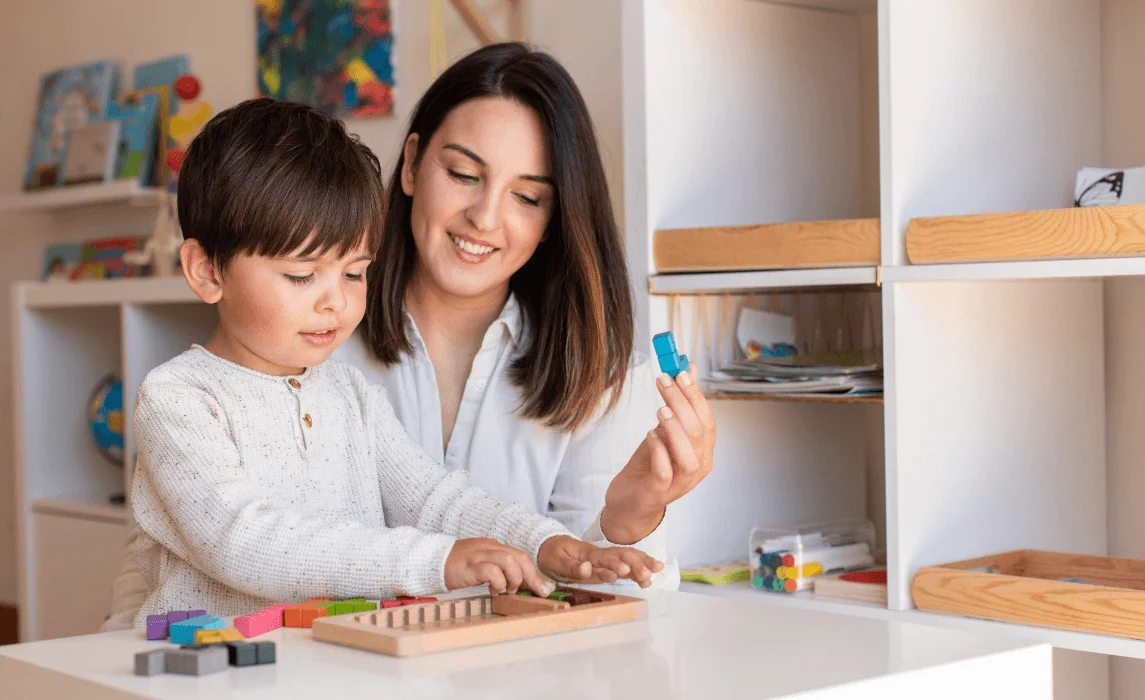
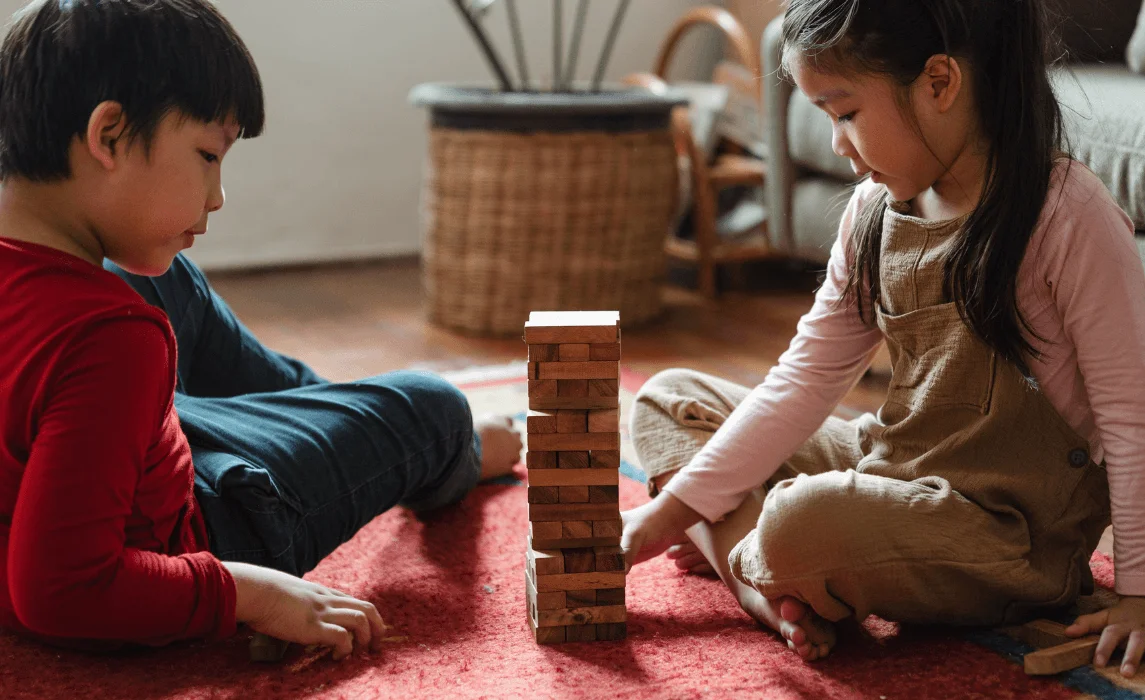
The Jenga Game: Board games like Jenga require slow, deliberate, and precise movements. A kid must suppress the urge to yank a block quickly and instead use careful motor control. It is an excellent activity to practice self-control and patience.
Sorting and Matching: Any game that requires sorting objects by specific rules builds focus. To turn this into an impulse control game, frequently change the rules midway through to test their mental flexibility.
The Benefits of Impulse Control for Kids
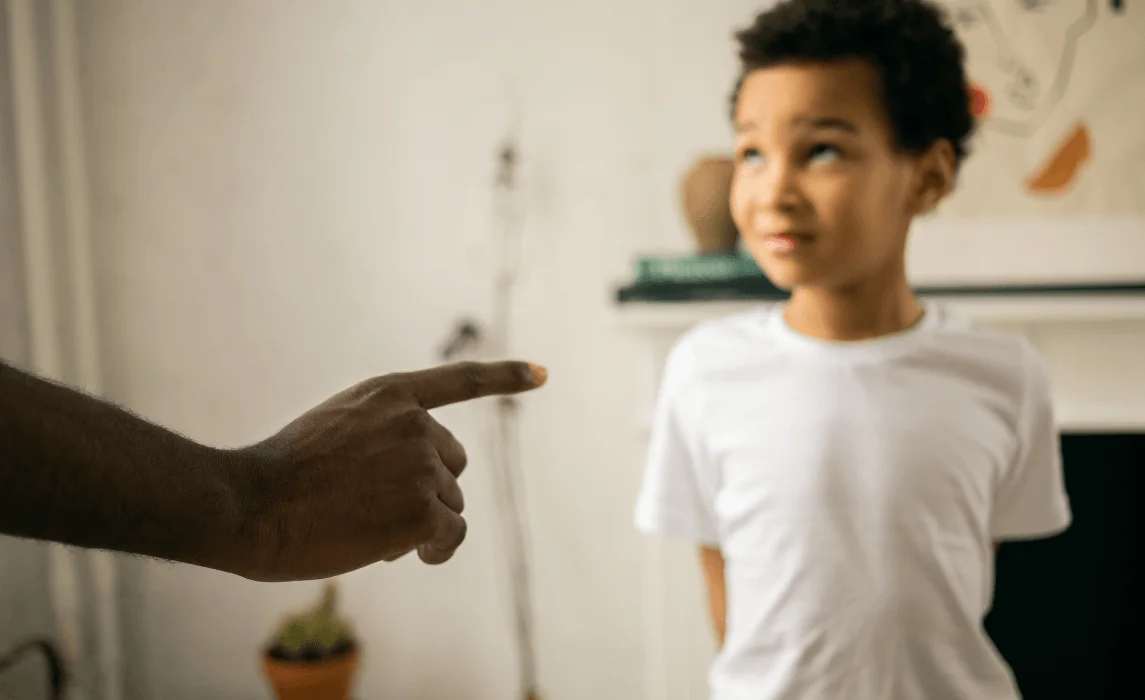
When caregivers reframe impulsivity not as defiance, but as a lack of skill, it changes the entire dynamic of discipline. The goal is to nurture self-regulation rather than punish a biological limitation. By utilizing visual tools, setting clear expectations, and engaging in fun impulse control activities, you lay down the neurological tracks for a healthy future.
Teach kids these skills early, and you will see a massive difference in their child development journey. Nurturing these skills pays incredible dividends. The mastery of this skill supports school readiness, helps build healthy friendships, and ensures overall safety. The same mental muscles used to resist a treat are used later in life to maintain a career and navigate complex adult relationships. Therefore, we must foster environments where they can safely practice, fail, and try again.
Guiding a child is hard work. The days are loud. The moods shift like the wind. You must have patience. You must have a clear plan. You must understand how their minds work.
Do not forget the truth about self-control. No child is born with it. It is not in their blood. It is a skill, like walking or reading. It is a tool. You must teach them how to use it. They must practice it every single day.
The real work happens in small moments. You sit on the floor and play a simple game. You watch them reach to snatch a toy. You stop their hand. You tell them to ask first. You see the anger flash in their eyes. You make them take a deep, slow breath before they shout.
This is not just play. This is heavy lifting. You are building their minds. Treat these short moments with care. Do not rush past them. Teach them to wait today. Show them how to hold back. They will learn to make good choices. They will walk with a steady step. They will steer their own lives.
At what age should I expect my child to begin to develop strong impulse control?
Basic self-regulation starts around ages 3 to 4, but the brain's control center does not fully mature until the mid-twenties. Expect gradual, steady progress rather than instant perfection, and remember that child development takes time.
How do I know if my child's impulsive behavior is typical or a sign of ADHD?
All children are impulsive. However, if the lack of control is severe, persistent, and consistently disrupts their safety or friendships, consult a pediatrician. ADHD often requires specialized impulse control strategies.
What is the best tip to handle a public meltdown caused by a lack of impulse control?
Stay calm and immediately remove them from the overwhelming environment. Wait quietly for the emotional wave to pass. Discuss the behavior and teach alternatives only after they are completely calm.
Does screen time impact my child’s executive function and ability to control impulses?
Yes. Fast-paced media provides instant gratification, making the slower pace of the real world frustrating. Balance screen time with unstructured, screen-free play to help them practice patience.
Is it too late to teach kids impulse control if they are older?
No, the brain is highly adaptable. Instead of play-based games, use collaborative problem-solving—like creating a waiting rule for online purchases to help improve impulse control in older children.